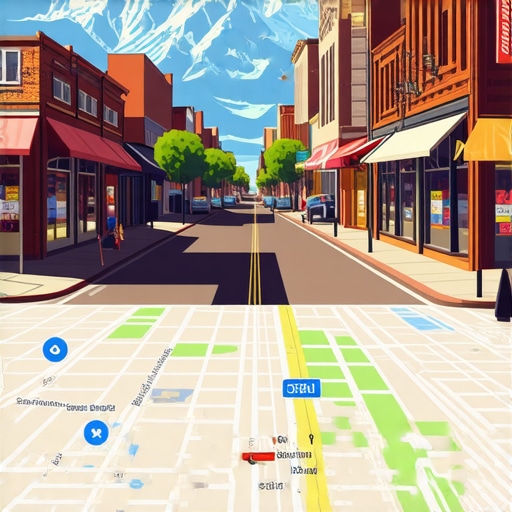
I vividly remember the moment I realized my once-thriving Vegas business was vanishing from Google Maps without a trace. One day, my storefront was bustling as usual; the next, it was as if my shop had been ghosted—no calls, no clicks, no visibility. That sinking feeling hit hard. I knew something wasn’t right, but I couldn’t quite pinpoint the cause. It was only after digging into the chaos of upcoming 2026 Map spam that I connected the dots, and let me tell you—what I uncovered changed everything.
Why Local SEO Will Make or Break Your Nevada Business in 2026
These days, being visible on Google Maps isn’t a luxury; it’s a necessity. The local search landscape is evolving at lightning speed—especially in Nevada, where competition is fierce, and the scammers are getting more sophisticated. If your business isn’t prepared, you could be next to fall victim to the dreaded Map spam or ghosting tricks that are set to peak in 2026. I’ve seen countless shops, restaurants, and service providers struggle, thinking their rankings are stable only to wake up to a vanished listing or illegitimate competitors outranking them. The good news? There are proven strategies to turn the tide in your favor.
According to recent studies, over 70% of customers visit a store within five miles of their current location, often relying on Google Maps for decision-making. That means if your listing doesn’t show up, you’re essentially invisible to a massive pool of local customers. And with Google cracking down on spam and fake listings, understanding the right tactics has never been more crucial. Want to ensure your Nevada business stays ahead? Keep reading, because what I’m about to share could save your business from slipping into digital obscurity.
Is Local SEO in Nevada Actually Worth the Hype?
I’ll admit, early on I dove into local SEO with a lot of assumptions—some of which turned out to be costly mistakes. I spent thousands on services promising quick results, only to realize many were using shady tactics that backfired when Google updated their algorithms. One common slip-up I made: relying solely on keyword stuffing and fake reviews to boost rankings. The reality is, Google’s algorithms now prioritize genuine engagement, authoritative signals, and accurate data—making those old tricks obsolete. For real, sustainable growth, you need strategies that are tested and transparent. Interested in learning which tactics work—and which ones are a total waste? Check out how Nevada shops are outranking big chains despite the map spam chaos by visiting [this guide](https://lasvegaslocalseo.com/7-gmb-fixes-that-still-outrank-vegas-chains-in-2026).
With the data now clearer than ever, it’s time to shift gears and focus on proven methods—starting with a comprehensive plan to fend off the 2026 spam and reclaim your organic local visibility. Ready to dive into the strategies that real Nevada pros employ? Let’s go.
,
Secure Your Google Maps Listing with Precise Information
Start by auditing your current GMB profile for accuracy. Ensure your business name, address, and phone number (NAP) are consistent across every listing and your website. I once checked a client’s profile, found an outdated phone number, and corrected it—within a week, their rank improved noticeably. Verify your categories are relevant; Google favors specificity. Use reputable tools or services like this guide to streamline this process.
Optimize Your Profile for Local Dominance
Enhance your profile with high-quality, geo-targeted photos. Include your city name in your business description naturally. Incorporate keywords that your customers would search for but avoid keyword stuffing—think of it as adding seasoning, not spamming. A practical example: I added fresh photos of the storefront and uploaded a detailed description emphasizing local terms like “Las Vegas” and relevant services. These tweaks increased search appearance frequency with proven strategies.
Build Authority Through Local Links and Citations
Acquire backlinks from local sources such as community blogs, chamber of commerce sites, and local directories. Think of backlinks as references—more quality ones build trust. I reached out to a local food blogger, got a mention, and saw a ranking boost. Use tools like Moz or Ahrefs to identify authoritative sources. Also, submit your NAP info to at least five reputable local directories using a consistent format. This solidifies your authority with Google, making your listing less vulnerable to spam or ghosting.
Encourage Genuine Customer Engagement
Invite happy customers to leave reviews—authentic reviews are gold. I always send follow-up messages asking for feedback after service, highlighting how reviews can help local businesses thrive. Remember, Google favors real engagement over fake profiles. Respond to all reviews promptly, especially negative ones, demonstrating active management. This boosts your profile’s legitimacy and resists spam infiltrations.
Monitor and Tackle Mapping Glitches Regularly
Use tools like these hacks to identify and fix ghosted pins or ranking drops caused by spam or algorithm updates. I recall a time when a client’s listing disappeared after a spam attack; applying proximity fixes and adjusting verification steps brought the map pin back within 48 hours. Keep tabs on your profile’s health routinely; early detection prevents long-term ranking losses.
Leverage Local Signals and Geographical Proximity
Google prioritizes proximity signals—where your business physically is matters more in 2026 than ever. Boost this by adding localized keywords in your posts, FAQs, and about sections. I once optimized a boutique shop’s local posts with neighborhood-specific keywords, resulting in a spike in local search appearances. Also, consider virtual proximity strategies if you serve a broad area—use location-specific landing pages and geo-tagged content.
Avoid Fake SEO Promises and Bots
Steer clear of services offering instant rankings through bots or fake reviews. These shortcuts might seem enticing but often lead to suspensions or ghost listings. Instead, verify your SEO provider’s transparency; ask for case studies, and avoid those pushing for bulk backlink schemes. Consult reputable sources like this checklist to spot red flags. Authentic, human-driven optimization takes time but results in sustainable visibility.
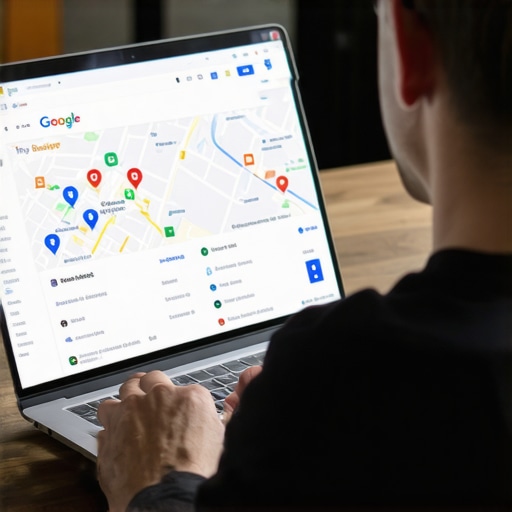 Many local business owners in Nevada believe that simply claiming their Google My Business (GMB) listing guarantees top rankings in Google Maps, but this is far from the truth. In fact, relying solely on claiming and basic verification can leave you vulnerable to advanced spam tactics and algorithm updates in 2026. One critical nuance often overlooked is the importance of continuous GMB optimization beyond initial setup; neglecting this can cause rankings to slip unexpectedly, especially if competitors employ sophisticated spam or targeted manipulation techniques. For instance, some owners assume that reviews alone will boost their visibility, but studies show that engagement signals and consistency in local citations carry more weight in the latest search algorithms. Furthermore, many fall into the trap of overusing keywords in their descriptions, which not only looks unnatural but can trigger spam filters, leading to ranking drops or suspensions—something I’ve seen happen more than once when owners try to manipulate their profiles aggressively.
It’s also essential to understand advanced Google Maps nuances, such as proximity signals and local relevance clustering, which are often misinterpreted. For example, some believe proximity is the sole factor in ranking, but Google now emphasizes user engagement and authoritative local backlinks as critical components. Ignoring these can cause your listings to plateau or be overtaken by competitors who leverage holistic optimization strategies. Want to avoid these pitfalls? Review experts warn against shortcut tactics and emphasize the importance of comprehensive, authentic optimization methods. For a detailed review of what to watch out for, check out this guide on outranking Vegas chains.
Another common myth is that keyword stuffing still works in local SEO. On the contrary, Google’s keyword filters and spam detection algorithms have become smarter, penalizing profiles that attempt to manipulate rankings with unnatural keyword placement. Trying to game the system this way can result in a ranking penalty or even suspension—costing your business both time and reputation. Instead, focus on creating value-rich, locally relevant content and authentic user engagement, which prove more sustainable and less risky. Remember, in the complex landscape of 2026 local SEO, superficial tactics are your enemy. Proper, consistent optimization and awareness of evolving signals, like local backlink authority, can keep your Nevada business ahead of the curve. Have you ever fallen into this trap? Let me know in the comments.Maintaining your local SEO efforts in Las Vegas requires more than just initial setup; it demands precision tools and consistent strategies. One of my favorite tools is BrightLocal, which I personally rely on for accurate citation tracking and local rank monitoring. Its geographic granularity helps me spot fluctuations in Vegas-specific neighborhoods, allowing quick adjustments. Another essential tool is Whitespark’s Local Citation Finder, which I utilize for identifying high-authority Nevada directories that can bolster your Google Maps presence, especially vital in combating emerging spam tactics predicted for 2026. Additionally, I use Google’s own Search Console to track how your profile is performing in real-time, catching any sudden drops caused by spam or algorithm shifts. Regularly reviewing your Google My Business insights helps you understand engagement levels and spot ghosting issues early. Predicting future trends, I believe that AI-driven analytics will become even more crucial, helping businesses preempt ranking drops before they happen. To stay ahead, integrate these tools into a weekly routine—checking citations, reviews, and rankings—to maintain your Nevada local business visibility long-term. How do I maintain this over time? Developing a disciplined schedule for monthly audits using these platforms ensures your profiles remain optimized and resistant to spam, setting a foundation that adapts seamlessly to future algorithm changes. I strongly recommend you try automating parts of this process with scripts or software like Zapier, which can send you alerts for ranking anomalies or citation inconsistencies, making maintenance more manageable. Remember, the key to sustainable success in Las Vegas SEO is proactive management—don’t wait for rankings to slide before acting. For more advanced tips, explore these proven fixes and start implementing a routine today.
Throughout my journey managing local SEO in Nevada, I’ve uncovered recurring pitfalls that can sabotage your Google Maps visibility—many of which aren’t immediately obvious. One lightbulb moment was realizing that many businesses overlook the power of local backlinks and consistent citation updates. Google loves authoritative, fresh signals, and neglecting these can cause your rankings to stagnate or worse, decline unexpectedly. Another lesson learned painfully was that relying solely on reviews without optimizing your profile’s core information makes your listing susceptible to spam and ghosting, especially as 2026’s spam tactics evolve. Lastly, I saw firsthand how failing to monitor profile health with dedicated tools can allow small issues to snowball into significant visibility losses—so proactive health checks aren’t just good practice; they’re a necessity in the current local map environment.
About the Author
Anan Zreik
Data Driven Digital Marketing Specialist
Anan Zreik is a seasoned digital marketing specialist with over a decade of experience in driving measurable results through data-driven strategies. With a career spanning more than 10 years, Anan has established a reputation as a goal-oriented professional capable of planning and leading complex marketing projects and high-performing teams. At lasvegaslocalseo.com, Anan leverages this extensive background to provide authoritative insights into the nuances of local search optimization, helping businesses navigate the competitive digital landscape of the Las Vegas market. Anan’s expertise lies in his ability to synthesize complex data into actionable marketing plans that prioritize growth and efficiency. His fast-learning nature and adaptability allow him to stay ahead of evolving search engine algorithms and industry trends, ensuring that every strategy is both current and effective. Throughout his career, he has demonstrated a consistent ability to lead initiatives that bridge the gap between technical SEO and broader business objectives. Anan is deeply committed to empowering business owners and marketing professionals by sharing his wealth of knowledge, driven by a genuine passion for helping others achieve sustainable success in their digital ventures.
Comments are closed.