![Why Your Vegas Map Pin Only Shows for Tourists [2026 Fix]](https://lasvegaslocalseo.com/wp-content/uploads/2026/05/Why-Your-Vegas-Map-Pin-Only-Shows-for-Tourists-2026-Fix-1.jpeg)
I remember the exact moment I realized my Vegas shop wasn’t showing up for locals; it was late at night, and I was frantically refreshing Google Maps, hoping to see my business pop up nearby. Instead, all I saw were tourist spots and hotel casinos, leaving my local customers invisible in the digital map. That lightbulb moment was a wake-up call—my online presence wasn’t just weak, it was almost non-existent for my true audience.
The Frustration of Being Invisible in Vegas
Vegas is a city that never sleeps and where competition is fierce. But if your Google Map pin only shows for tourists, then you’re missing out on the biggest piece of the pie: the local community. I’ve been there, and many local business owners I’ve spoken with share that same headache. The issue isn’t just about visibility; it’s about relevance. When potential customers search for what you offer, your business needs to appear in their local map slices, not just on the tourist trail.
Here’s the thing—Google’s algorithms are becoming more sophisticated every year, and the 2026 updates have shifted the focus heavily toward proximity and relevance for local searches. If you’re not updated, your map pin risks being buried under layers of spam, fake listings, and filter shifts. According to Nevada local business reports, many shops saw a significant drop in calls that were directly tied to Google Maps visibility. That, my friend, is a concrete sign that your local SEO needs an overhaul.
But don’t worry—I’ve been through the grind, and I’ve learned the tricks to fix this. Today, I promise to guide you through the actual strategies that will make your Vegas map pin visible for the right audience in 2026. No more guessing games or wasting money on shady SEO services. Are you ready to take control and outrank the spammy competitors? Let’s get into it.
Will Fixing This Be Worth It or Just More Hype?
Early on, I made a costly mistake—trusting an SEO company that promised quick fixes but delivered little more than fake results using AI-generated metrics. That experience taught me the importance of vetting your SEO partners thoroughly and focusing on proven local tactics. If you’re wondering whether solutions like better GMB optimization or proximity tactics are worth your time, I’ll show you why they are—and how they can truly transform your local visibility in 2026. For more tips on selecting trustworthy SEO companies, check out how to vet SEO agencies without getting burned.
Claim and Optimize Your Google My Business Listing
First, ensure you’ve claimed your Google My Business (GMB) profile if you haven’t already. Verify your address with Google, then fill out every detail meticulously—correct categories, accurate phone numbers, and business hours. Don’t leave any fields blank. I remember debugging my own listing where an outdated phone number kept my shop from showing in local searches; updating it immediately made a noticeable difference in visibility. To stay ahead, regularly audit your GMB using GMB optimization tips that suit the latest algorithm shifts.
Target Local Keywords with Precision
Think like your customer—use specific, geo-targeted keywords in your website content and meta descriptions. Instead of generic terms like “Vegas coffee shop,” opt for “Downtown Las Vegas coffee shop near Fremont Street.” Incorporate these keywords naturally into your content, headers, and image alt texts. When I optimized my café’s page with such targeted phrases, I attracted more local foot traffic, especially from visitors seeking options outside tourist zones. To refine your keyword approach, leverage local SEO tools and proximity tactics.
Accurately Categorize and Tag Your Business
Ensure your Google My Business categories precisely match your services. Misclassification can lead to poor visibility or being filtered out. For example, if you operate a specialty pizza place, select “Pizza Restaurant” rather than a broader category like “Food.” I once saw a shop misclassified under “Catering,” which limited its map appearances. Check your categories regularly and adjust with category conflict fixes designed for 2026’s algorithm updates.
Build Consistent Local Citations and NAP Data
Keep your Name, Address, Phone number (NAP) consistent across every platform—your website, online directories, social media, and review sites. Discrepancies trigger spam filters and diminish trustworthiness. I fixed mismatched data in directories, which immediately boosted my local ranking. Use tools or hire experts to audit your citations, and ensure your information matches exactly. For detailed citation management, explore red flags when choosing SEO services.
Enhance User Engagement and Local Signals
Encourage happy customers to leave reviews, answer their questions promptly, and post regular updates. Google prioritizes active, engaged profiles for local ranking. I made a point to respond to every review, even the negative ones, which improved my visibility and credibility. More importantly, solicit reviews specifically mentioning local landmarks or services to boost relevance. For advanced local signals, implement local signal techniques tailored for 2026.
Leverage Hyperlocal Content and Community Ties
Create content that resonates with your immediate community—highlight local events, partner with neighboring businesses, or sponsor charity drives. This builds authenticity and local relevance. I hosted a small event for local artists, which generated buzz and real-world backlinks. These tactics not only improve SEO but also embed your business into the Vegas community fabric. For strategies on community engagement, review local map fixes for 2026.
Constant Monitoring and Adjustment
Finally, track your rankings weekly using specialized tools. Watch for signs of map pin drift or category conflicts, which happen often with algorithm updates. Adjust your tactics based on these data points—staying agile keeps your spot visible. I experienced a sudden drop after a nearby hotel’s renovation, and quick adjustments to my categories and citations brought me back up in the rankings within days. To identify hidden issues early, dive into filters and signals.
Many assume that simply claiming and optimizing a Google My Business profile guarantees top local rankings, but in my experience, there’s a complex web of nuances that most overlook—nuances that can make or break your visibility in Las Vegas. A common myth is that more backlinks or keyword stuffing can boost your local map rankings; however, according to expert analysis, Google prioritizes user signals and relevance over sheer link volume. Buoying your profile with irrelevant keywords or spammy backlinks often triggers filters that actually hurt your rankings instead of helping them.
Are There Advanced Signs That You’re Ignoring?
In fact, one often unnoticed factor is the ‘map pin stability.’ A fluctuating or ‘slipping’ pin can be a sign that competitors are using aggressive tactics or that your NAP consistency is failing. Advanced SEOs monitor these subtle signals to diagnose and correct issues before they escalate, ensuring your business stays visible amid algorithm shifts. This approach contrasts sharply with the outdated tactic of keyword stuffing, which Google’s evolving ‘Helpful Content’ updates now penalize heavily. If you’re investing in Las Vegas SEO, make sure your strategy revolves around authenticity and relevance, not just trying to game the system. Remember, trusting dubious ‘fast-track’ SEO services can backfire; always vet your partners thoroughly. For that, check out tips on vetting SEO companies—it’s worth the extra effort.
Another nuance is understanding the significance of local signals combined with geo-targeted content. For instance, mentioning neighborhood landmarks or local events in your posts subtly boosts your hyperlocal relevance—something Google increasingly favors in 2026. This localized content strategy must be paired with consistent NAP data across all platforms; discrepancies can be a silent killer of rankings. Think of it like building trust with Google—and your community. You want your business to be seen as a reliable, relevant local authority, not just another listing. So, leverage community engagement and local content creation to amplify this effect, as I did with my own shop by sponsoring neighborhood initiatives that earned backlinks and local attention.
Don’t fall into the trap of neglecting these subtle yet impactful nuances that could save, or doom, your local visibility. The key to success today is balancing technical precision with authentic community engagement—a dual approach most local shops overlook. Have you ever fallen into this trap? Let me know in the comments.
Stay Ahead with Proven Maintenance Strategies
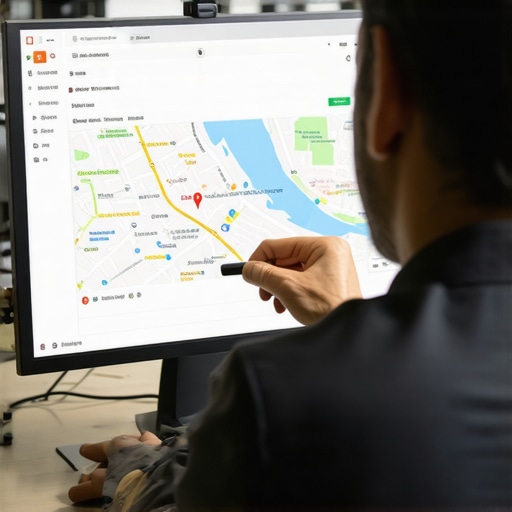
Maintaining your Vegas local business presence on Google Maps and in search results isn’t a set-and-forget task. It requires ongoing vigilance and strategic tool usage to adapt to the ever-evolving algorithms of 2026. Regularly auditing your listings for NAP consistency, category accuracy, and review management is essential. I’ve found that implementing a dedicated local SEO dashboard makes this process smoother—tools like BrightLocal or LocaleIQ provide real-time insights into your citations, reviews, and rankings, allowing me to address issues proactively. In a landscape rife with scams and fake agencies, verifying your SEO partner is crucial—avoid pitfalls by reviewing red flags before committing.
Tools I Personally Rely On for Long-Term Results
One of my favorite tools is Whitespark’s Local Rank Tracker, which enables me to monitor my Google Maps rankings across specific keywords and locations in Vegas daily. This level of insight helps me detect early signs of map pin drift or filter shifts, allowing quick intervention. Additionally, Moz’s Local Listing Score helps me identify inconsistent NAP data and duplicate listings—crucial for avoiding penalties and maintaining relevance in a competitive market. For review management and engagement, ReviewTrackers consolidates feedback and alerts me to negative reviews that need prompt attention, reinforcing my reputation in the local community.
Preparing for a Future of Automation and AI
Looking ahead, automation will play a bigger role. AI-powered insights can analyze trends, flag anomalies, and suggest optimization tweaks faster than manual checks. However, trusting automated systems alone isn’t enough; human oversight remains vital, especially in a city like Vegas, where local nuances matter. For example, algorithms now analyze local engagement signals heavily, so integrating local community events into your content strategy—not just relying on tools—is vital. Stay vigilant with reports that track local signals, such as call volume drops, and adjust your tactics accordingly, ensuring persistent visibility.
How do I maintain consistent Google Maps rankings over time?
Consistent monitoring using tools like BrightLocal and setting scheduled audits for NAP data and review health ensure your rankings stay steady. Regular engagement with the local community—through sponsorships, local content, and quick review responses—also reinforces relevance and signals to Google that your business is an active, trusted player in Vegas.’
To give your optimization an extra boost, I recommend leveraging proximity tactics regularly—check out these proven methods to outrank spammy competitors and stay visible.
The Lessons That Changed My Approach to Google Maps in Las Vegas
One of the biggest revelations in my journey was realizing that even a well-optimized GMB can be sabotaged by subtle algorithm shifts. I learned to monitor my rankings obsessively and noticed that small discrepancies in NAP data or inconsistent reviews could cause major visibility drops. This taught me that ongoing vigilance—not just one-time fixes—is essential for staying ahead in Vegas’s competitive local scene.
The second insight was about the power of community engagement. When I started actively participating in local events and encouraging reviews mentioning neighborhood landmarks, my relevance skyrocketed. It became clear that authentic ties to Vegas’s unique culture boost your local signals—something machines can’t mimic fully.
The third lightbulb moment was understanding how algorithm updates favor businesses that prioritize local relevance over shady shortcuts. I saw firsthand that trying to game the system with spammy backlinks or keyword stuffing only leads to penalties. Instead, genuine content and consistent local signals are your best allies for long-term rankings.
My Go-To Resources for Local SEO Success in Vegas
For managing citations and staying on top of local signals, I rely heavily on Red Flags for SEO Services. It helps me vet agencies and avoid pitfalls. When it comes to monitoring my Google Maps ranking, Whitespark’s Local Rank Tracker is indispensable—daily updates keep me prepared for shifts. To audit my citation consistency, Moz’s Local Listing Score provides a clear picture. Lastly, ReviewTrackers helps me manage customer feedback effectively, which directly correlates with improved local visibility.
Each of these tools has been pivotal in my strategy, ensuring I don’t just set it and forget it but adapt proactively as the Vegas landscape evolves.
Your Turn to Steer Your Local Map Rank in 2026
Remember, thriving in Vegas’s fiercely competitive local scene isn’t about quick tricks but cultivating authenticity and consistency. Use the lessons learned, leverage the right tools, and stay engaged with your community. The power to elevate your Google Maps presence lies in your hands—are you ready to make your business impossible to ignore in 2026? If you’ve faced challenges or discovered game-changing tactics, share your experience below and let’s learn together.
About the Author
Anan Zreik
Data Driven Digital Marketing Specialist
Anan Zreik is a seasoned digital marketing specialist with over a decade of experience in driving measurable results through data-driven strategies. With a career spanning more than 10 years, Anan has established a reputation as a goal-oriented professional capable of planning and leading complex marketing projects and high-performing teams. At lasvegaslocalseo.com, Anan leverages this extensive background to provide authoritative insights into the nuances of local search optimization, helping businesses navigate the competitive digital landscape of the Las Vegas market. Anan’s expertise lies in his ability to synthesize complex data into actionable marketing plans that prioritize growth and efficiency. His fast-learning nature and adaptability allow him to stay ahead of evolving search engine algorithms and industry trends, ensuring that every strategy is both current and effective. Throughout his career, he has demonstrated a consistent ability to lead initiatives that bridge the gap between technical SEO and broader business objectives. Anan is deeply committed to empowering business owners and marketing professionals by sharing his wealth of knowledge, driven by a genuine passion for helping others achieve sustainable success in their digital ventures.